

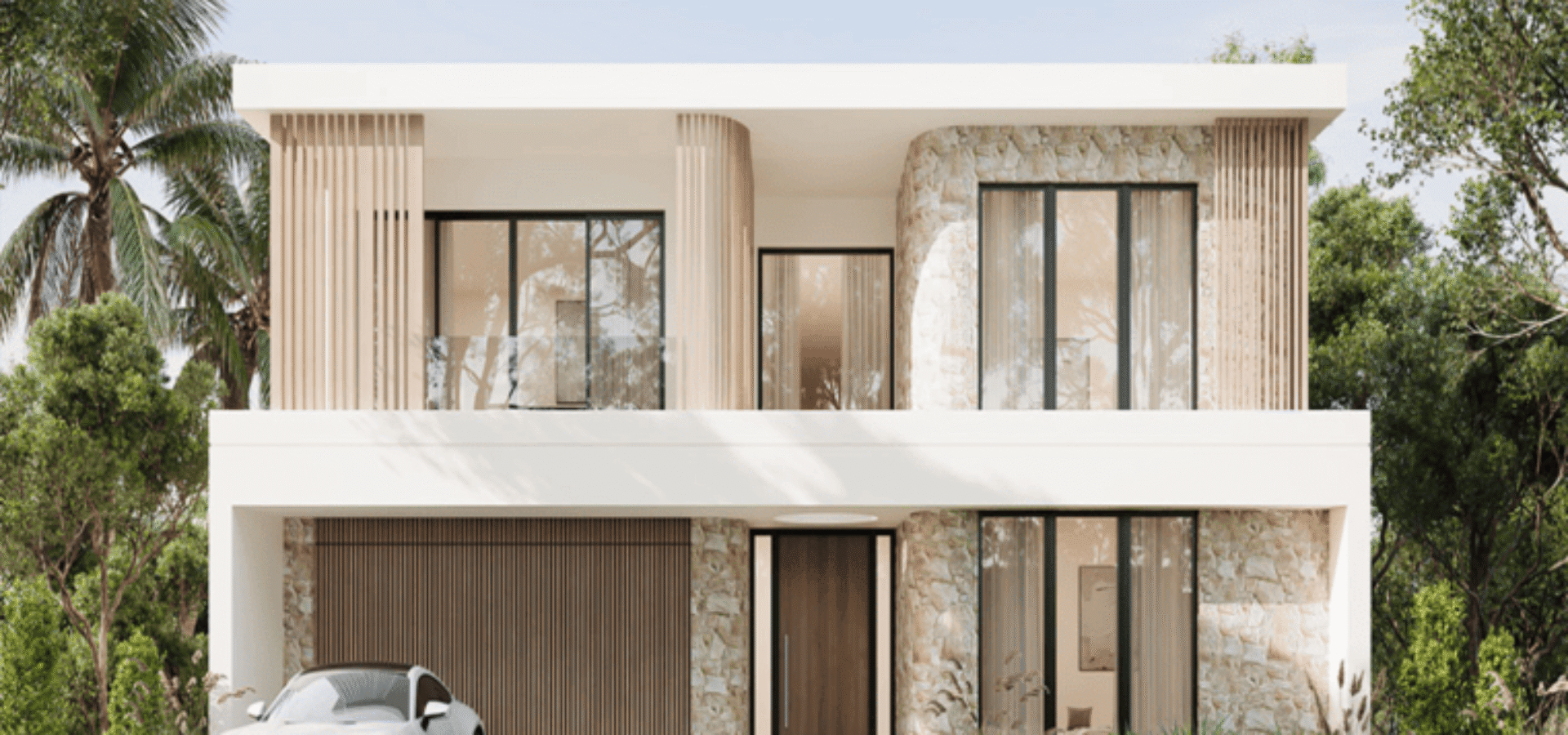
Project Home Builders in Melbourne vs a Custom Build
Most people start looking at project home builders for two reasons. A fixed price, and a process someone has run hundreds of times before.
Both are sensible things to want. The question worth asking first is what you give up to get them.
Ardmillian isn’t a project builder. We’re a custom home builder that offers the same two things: fixed pricing and a defined process without the trade-offs the volume model requires. This page explains the difference so you can decide which suits your block.
What Is a Project Home Builder?
A project home builder, also called a volume builder, builds from a catalogue of existing designs.
You choose a plan, pick a facade, select from set inclusion packages, and the builder constructs it. The designs have been built many times. The process is systematised. That repetition is where the price efficiency comes from.
It works well when your block is flat, regular and in an estate the designs were drawn for. It works less well when it isn’t.
A Fixed Price, Without the Catalogue
The fear people carry away from project builders is that custom means an open budget and an open timeline. It doesn't have to.
Fixed-price contracts
You get a detailed tender before contracts are signed. The price locks before construction starts. Under Victorian law a major domestic building contract has to set out the work and the price properly, and Consumer Affairs Victoria sets out what yours must contain before you sign with anyone.
 01
A defined sequence
Design, town planning, permits, then construction. Regular updates. One point of contact throughout.
 02
One person accountable
Our director has 20 years in the industry, more than seven of them under the Ardmillian name assesses your site, develops the brief and is on site through the build. You aren’t passed from a sales consultant to a supervisor who has never read your brief.
 03
Where the Price Difference Actually Sits
The assumption is that custom costs more. Sometimes it does. Often the gap is smaller than the advertised prices suggest.
A project home’s base price reflects base inclusions. Bringing it to the standard you saw in the display home means upgrading flooring, joinery, tapware, the facade, and usually the kitchen. Each upgrade is priced individually, and the total arrives after you’ve already committed.
A fixed-price custom contract works the other way round. The scope is defined before you sign, the price reflects that scope, and there are no variation claims mid-build because the work wasn’t specified clearly enough at the start.
The honest comparison isn’t base price against custom price. It’s your final project home cost after upgrades, after site costs against a fixed custom figure quoted upfront.
When a Project Home Is the Right Answer
It sometimes is, and it’s worth saying so.
If your block is flat and regular, if an existing design genuinely suits how you live, and if budget certainty at the lowest possible entry point matters more than anything else, a project builder may serve you well.
Where it tends to go wrong is on sloping sites, irregular blocks, established suburbs with planning overlays, and briefs that don’t match a catalogue plan. Those are the projects that start as a project home and end as a series of variations.
See What a Fixed-Price Custom Build Looks Like on Your Block
What Display Homes Actually Show You
A display home is a sales tool, and understanding that changes how you read one.
The home you walk through is usually built to a high specification. Upgraded flooring, upgraded kitchen, upgraded facade, landscaping included. The base price advertised alongside it generally doesn’t include most of what impressed you.
That gap between base price and display standard is the single most common reason project home budgets move. It isn’t hidden; it’s in the inclusions list but very few people read the inclusions list before they fall for the kitchen.
Ardmillian doesn’t run display homes. We take on a limited number of projects each year so our director can stay across every active build, and a display range would imply exactly the volume model we don’t operate.
Project Home vs Custom Build
| Project home builder | Ardmillian | |
|---|---|---|
| Design | Chosen from a catalogue | Drawn for your block and brief |
| Suits | Flat, regular estate blocks | Any site, including sloping and constrained |
| Pricing | Base price plus upgrades | Fixed price against a defined scope |
| Planning | Usually your responsibility | Managed in-house |
| Your contact | Sales, then a site supervisor | One director, start to finish |
| Projects running | Hundreds | A limited number each year |
| Display homes | Yes | No |
Frequently Asked Questions
A builder who constructs from a catalogue of pre-designed plans rather than designing for your site. Also called a volume builder.
You select a design, a facade and an inclusions package. The efficiency comes from building the same designs repeatedly.
A custom builder designs each home around the specific block, the brief and how the client lives, rather than adapting a standard plan.
It doesn’t automatically mean more expensive or slower. It means the starting point is your site rather than a catalogue.
The ones you can do later without opening up the structure. Flooring, tapware, light fittings, landscaping and window furnishings can all be changed after handover at competitive prices.
The ones not to skip are structural or in-wall: ceiling heights, window sizes and positions, insulation, waterproofing, and anything requiring access behind plaster. Those are expensive to revisit.
It depends almost entirely on the site and the size. A straightforward home on a flat, serviced block in a growth estate is a different proposition to the same floor area on a sloping block in an established suburb with planning overlays.
Advertised base prices rarely include site costs, upgrades, landscaping or driveways. Compare completed figures, not starting ones.
Not always, and not by as much as the headline prices suggest. Project pricing starts low because base inclusions are limited, and reaching display-home standard adds up.
Our fixed-price contracts define the scope upfront, so the figure you see is the figure you pay.
No regulator publishes a ranking, and the “top 10” lists in search results are usually written by builders who appear on them.
More useful questions: how many projects does the builder have running, who manages yours from start to finish, and can you visit a completed home and speak to the owner?
Yes. Bring us the block details and we’ll assess what’s achievable — overlays, easements, slope and site conditions all affect the design and the cost. That assessment starts every project we take on.
Planning controls are normal in Melbourne, not a blocker. Heritage overlays, vegetation controls and neighbourhood character requirements are handled in-house as part of design and approvals. You don’t need to engage a separate planning consultant.
Search the Building and Plumbing Commission’s practitioner register. The BPC replaced the Victorian Building Authority on 1 July 2025.
Confirm the registration covers domestic work, and that the registered entity name matches the name on your contract.
Other Services

As architectural builders in Melbourne, we turn architect-designed homes into reality, managing permits, engineering and construction so every detail is...
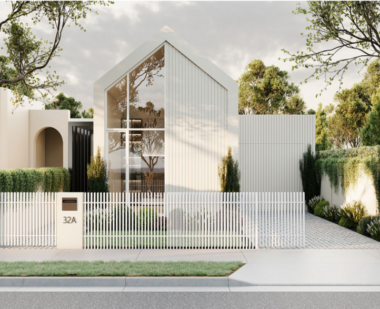

Do you want to speak with commercial or residential developers in Melbourne for advice regarding any building projects you’re involved...
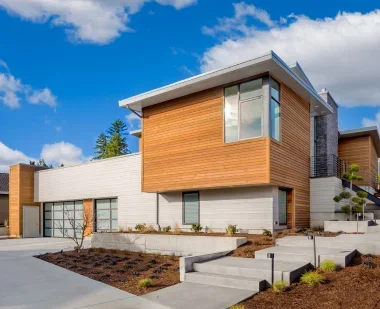

Every custom home we build starts the same way: a detailed conversation about how you actually live. From there, nothing...
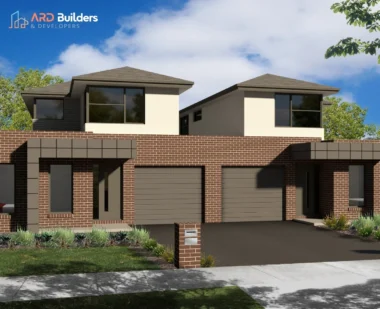
Ardmillian designs and builds duplexes and dual occupancy homes across Melbourne, managing design, town planning, and construction under one roof.
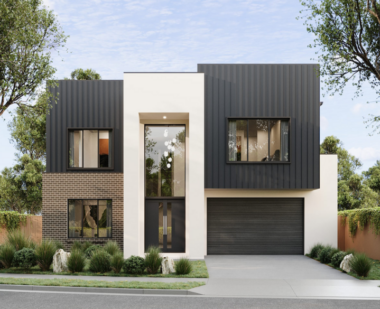

Our home designers can create stunning house designs for residential clients. We can draw up a detailed home design that...
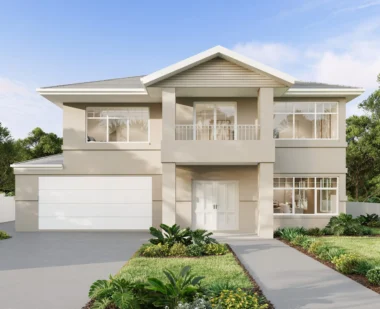

The block is worth keeping. The house is not. We manage the full demolition and design a home built specifically...
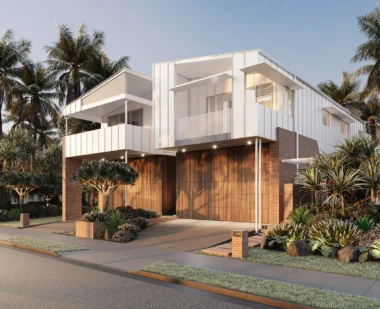
As custom luxury home builders in Melbourne, Ardmillian manages design, town planning and construction for high-end residences under one director....
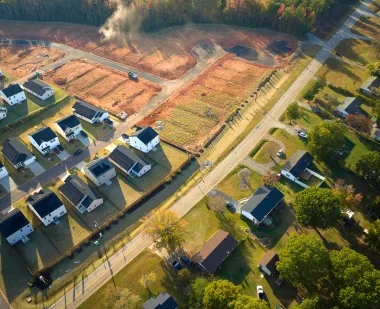

From dual occupancies to boutique townhouse projects, we plan and build multi-unit developments that work financially and hold up over...
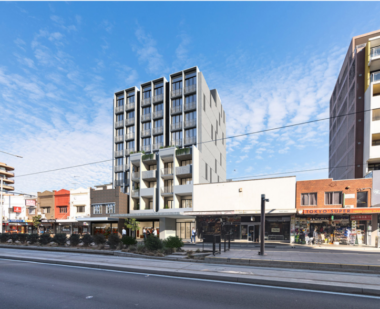

Our construction project management can manage any type of construction project that you need us to oversee. With vast experience...
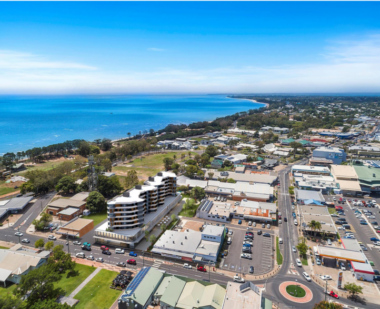
At Ardmillian, with the town planning skills we can help create highly detailed drawings of the layouts of properties being...
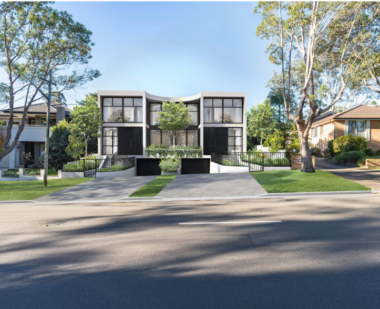
Our builders for townhouses specialise in creating brand new townhouses in Melbourne, always considering each client’s unique preferences in order...
As trusted home builders in Melbourne, Ardmillian manages design, town planning and construction for your new home under one roof....
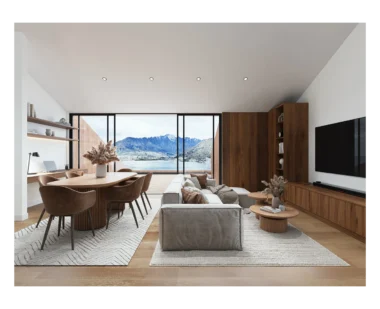
Unlike standard project homes, every build we deliver is designed specifically for your block and brief. With fixed-price contracts, direct...
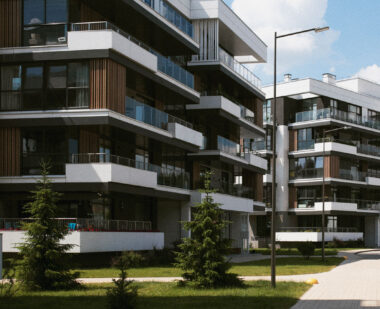
As an alternative to volume builders in Melbourne and across Victoria, Ardmillian designs and builds custom homes fixed to your...

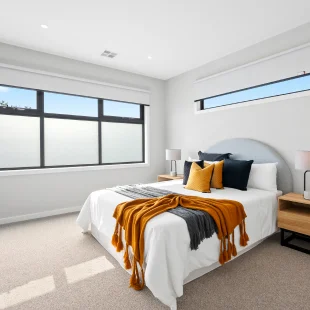


Considering a custom build over a project home?
Explore our custom homes service to see how a fixed-price, block-specific build compares to the volume model.
Get in touch with ArdmillianARD Builders & Developers exceeded expectations with professionalism and attention to detail, guiding us seamlessly to our dream home.

Samuel Oldham
Skilled craftsmen and dedicated project managers at ARD Builders & Developers blended modern design with timeless elegance, creating a remarkable luxury home.
John Cole
As a reputable luxury builder in Melbourne, ARD Builders & Developers delivered an exceptional, stress-free experience with their commitment to quality.
Hannah Alder